

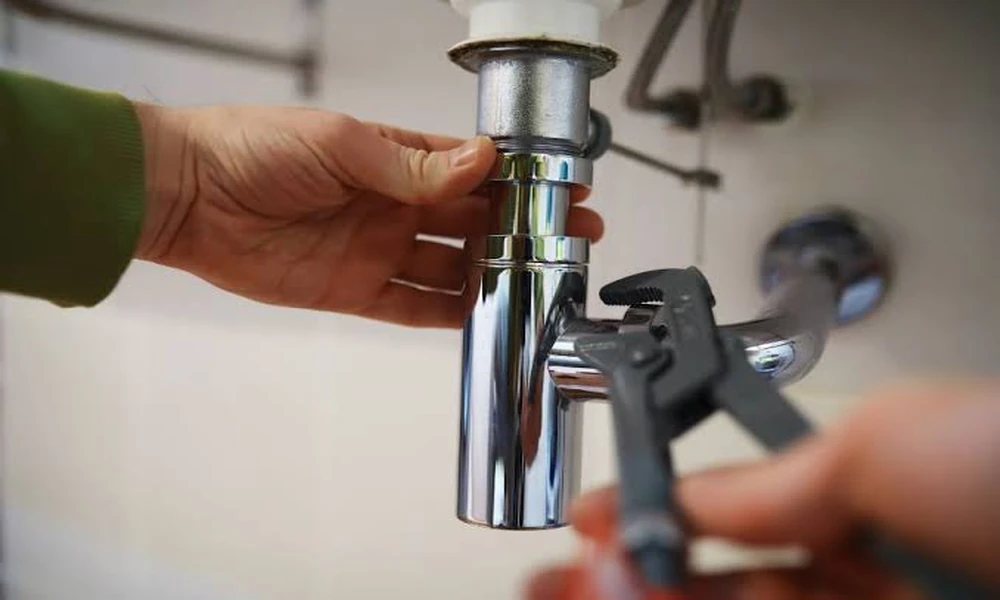
Commercial plumbing problems often develop quietly before causing serious disruption. A slow drain, minor leak, or aging water heater can increase expenses, damage property, and affect daily operations. Recognizing the hidden costs of plumbing neglect helps businesses plan maintenance, reduce emergency repairs, and protect their facilities from preventable problems over time.
Commercial plumbing runs behind walls, under floors, and through key areas of a business, so problems often go unnoticed until they become costly. Issues like leaks, clogs, or faulty water heaters can disrupt operations and affect staff, customers, and equipment. Regular commercial plumbing system support helps catch problems early, control costs, and prevent unexpected downtime.
Small Leaks Can Create Large Expenses
A minor commercial plumbing leak may not seem urgent, but even small water loss can raise utility bills. Hidden leaks often go unnoticed inside walls, floors, or water lines and can slowly damage drywall, flooring, furniture, and equipment.
Moisture can spread and increase repair costs while disrupting building use. Signs like damp spots, water stains, or low pressure should not be ignored. Fixing small leaks early is far easier and cheaper than dealing with major water damage.
Slow Drains Can Lead to Business Disruption
Commercial drains handle heavy use, so buildup from grease, debris, and soap is common. Early signs include slow drainage, odors, or gurgling sounds.
If ignored, these issues can lead to full blockages that disrupt sinks, restrooms, and daily operations. In some cases, parts of the business may need to close temporarily for repairs.
Hydro jetting is an effective solution that clears buildup using high-pressure water, offering a more complete fix than temporary methods.
Water Damage Can Affect More Than the Plumbing
The true cost of a plumbing failure often extends far beyond the damaged pipe or fixture. Water can spread quickly through flooring, walls, ceilings, and adjoining rooms. Businesses may then face costs related to cleanup, material replacement, equipment repairs, and temporary area closures.
Water damage may also affect inventory, documents, electrical equipment, and office furniture. Even when the original plumbing repair is straightforward, restoring the surrounding area can become expensive. Fast action limits how far the water travels and reduces the overall repair area.
Businesses should respond promptly to:
- Unexplained damp areas or water stains
- Sudden changes in water pressure
- Continuous sounds of running water
- Unexpected increases in water bills
- Visible corrosion around pipes or connections
Plumbing Failures Can Interrupt Daily Operations
Reliable plumbing is essential for restrooms, kitchens, cleaning areas, and other daily business needs. When it fails, routine tasks stop and customers may be affected. Emergency issues also disrupt scheduling. Instead of planned service, urgent problems like blockages or leaks require immediate attention, interrupting normal business activities.
Timely commercial plumbing system support helps businesses identify recurring problems, arrange repairs at suitable times, and reduce the chance of sudden closures. Preventive care makes operating costs more predictable and protects productivity.
Neglected Water Heaters Become Less Reliable
Commercial water heaters run heavily and can lose efficiency over time due to sediment buildup, wear, and aging parts. This may lead to slower heating, uneven temperatures, and higher energy use. Regular maintenance helps catch issues early and keeps the system running reliably. It also helps determine whether repair or replacement is needed.
An undersized or outdated unit can struggle during peak demand and increase operating costs.
Backflow Problems Can Threaten Water Quality
Backflow happens when water flows in the wrong direction, risking contamination of the clean water supply. Commercial properties rely on backflow prevention devices to keep water safe. These devices must be properly installed, tested, and maintained. If neglected, they may fail and cause compliance issues or safety risks.
Regular testing ensures they work correctly, and any issues should be repaired or replaced quickly to protect the water system.
Poor Maintenance Can Shorten System Life
Commercial plumbing systems face constant pressure, temperature changes, and heavy use. Without regular maintenance, parts wear out faster due to corrosion, buildup, clogs, and hidden leaks.
Preventive maintenance helps identify issues early and plan repairs before major failures occur. Keeping service records also makes it easier to track recurring problems and maintain system efficiency.
Emergency Repairs Usually Cost More
Emergency plumbing issues often lead to urgent service, business disruption, and water damage, making them more expensive than planned repairs. Preventive maintenance allows early inspection, better solutions, and controlled scheduling and costs. While it requires some investment, it helps avoid major failures.
Property owners should act on early warning signs like changes in drainage, pressure, temperature, or water use before problems become emergencies.
A Simple Maintenance Plan Protects the Business
Commercial plumbing maintenance should be simple and consistent. The key is noticing issues early and acting before they worsen. Staff should report slow drains, leaks, unusual sounds, pressure changes, or hot water problems right away.
Businesses should also schedule regular professional service based on system use. This includes checking water lines, fixing leaks quickly, cleaning drains when needed, maintaining water heaters, and completing backflow testing.
Whenever possible, plan plumbing work during off-peak hours to reduce disruption and keep operations running smoothly.
Conclusion
Neglecting commercial plumbing may appear to save money in the short term, but unresolved problems often create much larger expenses. Water waste, property damage, blocked drains, unreliable hot water, backflow concerns, and operational downtime can all result from delayed maintenance. Businesses can reduce these risks by monitoring changes, documenting recurring issues, and arranging service before minor faults develop into emergencies. Preventive care also provides greater control over scheduling and repair budgets while helping essential plumbing components perform reliably. Water lines, drains, water heaters, and backflow devices should be treated as important parts of the building’s operating infrastructure. With timely commercial plumbing system support, property owners can protect their facilities, reduce unexpected costs, maintain dependable services, and keep employees and customers comfortable. A proactive approach is almost always less disruptive and more affordable than waiting for a major plumbing failure.