

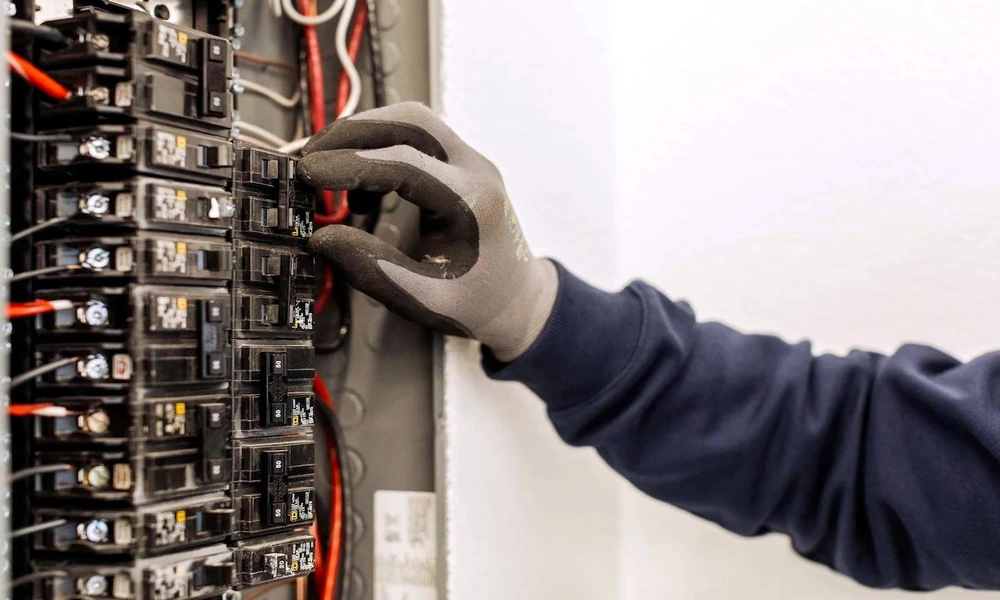
Adding a swimming pool, hot tub, spa, or outdoor kitchen can completely change how you use your backyard. In Austin, Texas, outdoor living spaces are popular for a reason. A well-designed backyard can become an extension of the home, with places to swim, cook, relax, entertain friends, and enjoy the Texas weather.
But there is an important part of the project that is easy to overlook: electricity.
A backyard renovation may look like a construction and landscaping project, but many of the features homeowners want require significant electrical power. Pool pumps, heaters, lighting, automation equipment, hot tubs, refrigerators, outdoor kitchens, televisions, speakers, and landscape lighting can all add new electrical loads to the property.
That is where an existing electrical panel can become the bottleneck.
The fact that a home’s electrical system has worked perfectly well for years does not necessarily mean it has enough capacity for everything being added to the property. A new outdoor project can reveal limitations that were never obvious when the home had fewer electrical demands.
Before construction begins, Texas homeowners should have the electrical system evaluated and determine whether the existing panel and service can safely accommodate the planned improvements.
How a Pool Can Change Your Home’s Electrical Demand
A swimming pool is much more than a hole in the ground filled with water. Modern pools can have several electrical components operating at the same time.
The pool pump is one of the most obvious electrical loads. Depending on the equipment selected, homeowners may also have multiple pumps, filtration equipment, water features, saltwater systems, or other equipment that requires electrical power.
Pool heaters can add another substantial demand, particularly when electric heating equipment is involved. Homeowners may also want automated controls that allow them to operate pumps, temperature settings, lighting, water features, or other equipment from a control panel or smartphone.
Then there is pool lighting.
A few underwater lights may not seem like a major addition by themselves, but they are only one piece of the electrical picture. When all of the equipment is considered together, the pool can represent a meaningful addition to the home’s electrical load.
The key question isn’t simply, “Can we run this equipment?”
The better question is, “Can the home’s electrical system safely support this equipment while everything else in the house is operating?”
That distinction matters.
Hot Tubs and Spas Can Require Dedicated Electrical Service
Hot tubs and spas are another backyard feature that should be considered early in the planning process.
Unlike some smaller outdoor appliances, a hot tub can require a substantial dedicated electrical circuit. The equipment may include heating elements, pumps, controls, lighting, and other components. The electrical requirements depend on the specific hot tub or spa model, so the equipment specifications should be reviewed before electrical work is planned.
A homeowner may already have a refrigerator, HVAC equipment, electric range, clothes dryer, water heater, EV charger, workshop equipment, or other significant loads inside the house.
Adding a hot tub to that system without evaluating the overall demand can create a problem.
This is one reason a hot tub installation should not be treated as simply an outdoor wiring project. It should be viewed as an addition to the home’s overall electrical system.
Outdoor Kitchens Add More Loads Than You Might Expect
Outdoor kitchens have also become increasingly sophisticated.
A simple patio cooking area with a gas grill may have relatively modest electrical requirements. But homeowners who are building a complete outdoor kitchen may want considerably more equipment.
For example, an outdoor kitchen could include:
- A refrigerator
- Ice maker
- Electric grill or cooking appliance
- Beverage cooler
- Dishwasher
- Garbage disposal
- Countertop appliances
- Outdoor-rated outlets
- Task lighting
- Entertainment equipment
Each individual appliance might seem manageable. The problem is that electrical demand adds up.
A backyard project that starts with a pool and eventually includes a hot tub, refrigerator, lighting, television, speakers, and outdoor kitchen can represent a very different electrical load than the homeowner originally anticipated.
Planning for everything at the beginning is much easier than trying to add circuits after the project is finished.
Don’t Forget Landscape and Entertainment Lighting
Lighting is another area where homeowners sometimes underestimate the electrical planning involved.
Landscape lighting can extend well beyond a few lights along a walkway. A larger Austin property might have lighting around the pool, patio, landscaping, retaining walls, pathways, outdoor kitchen, driveway, trees, fencing, and entertainment areas.
Homeowners may also want:
- Patio lighting
- Pool lighting
- Outdoor ceiling fans
- Television power
- Speakers
- Wi-Fi equipment
- String or decorative lighting
- Security lighting
- Smart lighting controls
Individually, many of these items have relatively small electrical requirements. Together, however, they contribute to the property’s total demand.
This is particularly important when the homeowner wants the backyard to function as an entertainment space rather than simply a landscaped area.
Your Pool Isn’t the Only Thing Using Electricity
One of the biggest mistakes homeowners can make during a backyard project is looking at the new equipment without considering what is already inside the house.
Your electrical panel doesn’t know whether electricity is being used for a pool, refrigerator, air conditioner, oven, or television. Every electrical load contributes to the overall demand placed on the electrical system.
Consider a home that already has:
- Multiple air-conditioning systems
- An electric range
- An electric dryer
- An electric water heater
- An EV charger
- A workshop
- A large refrigerator
- Existing outdoor equipment
Now add a pool pump, pool heater, hot tub, outdoor refrigerator, landscape lighting, and entertainment system.
Suddenly, the electrical requirements look very different.
This is why simply counting the open spaces in an electrical panel is not enough to determine whether a new project can be supported. A panel may have physical breaker spaces available while the home’s electrical service still has capacity limitations.
Why Older Panels Can Become a Bottleneck
An older home may have been perfectly adequate for the electrical demands it was designed to handle.
The problem is that homes change.
Over the years, homeowners add appliances, remodel kitchens, build additions, install air-conditioning equipment, purchase electric vehicles, create workshops, and upgrade outdoor spaces. Each improvement can increase electrical demand.
A panel that made sense when the home was originally built may not be the right size for the way the property is being used today.
A backyard project can expose this limitation because pools, spas, outdoor kitchens, and entertainment areas introduce several new circuits at once.
The solution is not automatically a panel upgrade. The electrical system needs to be evaluated first.
Depending on the property and the planned equipment, the appropriate solution could involve changes to the existing electrical distribution system, additional circuits, a panel upgrade, or potentially other service-related work.
Panel Capacity and Load Calculations Should Happen Before Construction
This is one of the most important steps in the entire process.
Before concrete is poured, trenches are closed, decking is installed, or equipment is delivered, an electrician should understand what electrical loads the project will require.
A load calculation helps evaluate the home’s existing electrical demand and the proposed additions.
The electrician can look at the existing service and panel along with the planned pool equipment, spa, outdoor kitchen, lighting, and other electrical loads.
The exact requirements depend on the property, existing electrical equipment, local requirements, and the equipment being installed.
The earlier this evaluation happens, the more options the homeowner has.
Finding out that an electrical upgrade is necessary after the backyard is already under construction can create delays, additional labor, and potentially unnecessary construction changes.
Finding it out during the design stage is a completely different situation.
Coordinate the Electrical Work With the Pool Contractor
Pool construction involves a lot of moving parts. There may be a pool builder, concrete contractor, landscaper, electrician, plumber, outdoor kitchen installer, and other professionals involved.
Electrical planning should be part of that conversation from the beginning.
For example, the electrician may need to know where pool equipment will be located, where conduit will run, where electrical equipment will be mounted, and where circuits will terminate.
The pool contractor may also need electrical information before certain stages of construction can proceed.
Good communication between the contractors helps prevent the classic backyard renovation problem: one part of the project is finished, only to discover that another trade needed access to the same area.
This is especially important before concrete is poured.
Why Electrical Planning Needs to Happen Before Concrete
Once concrete, pavers, decking, retaining walls, or landscaping are installed, getting electrical wiring where it needs to go can become much more difficult.
A homeowner may decide later that they want an additional pool light, outdoor television, refrigerator, fan, speaker system, or other feature.
If pathways, patios, or concrete structures are already finished, providing power to that location could require additional trenching, demolition, or surface-mounted solutions.
Planning ahead allows the electrical contractor to determine where wiring and conduit need to be installed before those areas are closed up.
This isn’t about trying to predict every future purchase. It’s about identifying the electrical needs that are already part of the project and thinking ahead about practical additions.
A little planning before construction can save a lot of frustration afterward.
Is This a Good DIY Electrical Project?
This is where homeowners should be especially careful.
There is a big difference between installing a decorative outdoor feature and modifying the electrical system that supplies a pool, hot tub, or outdoor kitchen.
Pool and spa environments also involve the combination of electricity and water, which makes proper electrical installation particularly important. Outdoor electrical equipment must be appropriately installed, protected, grounded, and connected according to applicable requirements.
A handy homeowner may be comfortable assembling an outdoor kitchen cabinet, installing certain landscaping features, or handling other portions of a backyard project.
That does not mean they should perform electrical service work, install a new panel, run major circuits, or connect pool and spa equipment themselves.
Electrical work involving the home’s service, panel, dedicated circuits, pool equipment, hot tubs, and other substantial loads is better left to qualified professionals who understand the applicable Texas electrical requirements and local permitting and inspection processes.
For homeowners, the safest approach is to bring an experienced Texas-licensed electrician into the project before the electrical design has already been dictated by construction.
Planning a Panel Upgrade Before Your Backyard Project
If the electrical evaluation shows that the existing panel or service does not have adequate capacity, addressing the issue before construction begins is usually much easier than discovering it halfway through the project.
A panel upgrade can potentially provide the additional capacity needed for new circuits and equipment, but the specific solution should be determined based on an evaluation of the home’s electrical system and the planned loads.
Homeowners in Austin, Texas can work with Tejas Electric for a professional electrical panel upgrade near me when their existing electrical system needs to be evaluated or upgraded for a major home improvement project.
Tejas Electric can help homeowners look at the bigger electrical picture rather than treating each new appliance or backyard feature as an isolated installation.
That matters when several improvements are happening at once.
Think About the Entire Backyard Before Choosing the Equipment
Another practical tip is to finalize the major equipment selections as early as possible.
The electrical requirements for one pool pump or heater may differ from another. The same is true for hot tubs, refrigerators, outdoor cooking appliances, lighting systems, and other equipment.
If the electrician knows the actual equipment specifications, the electrical planning can be much more precise.
Instead of saying, “We’re getting a pool,” provide the pool equipment information.
Instead of saying, “We’re adding an outdoor kitchen,” identify the appliances.
Instead of saying, “We’re installing a hot tub,” provide the manufacturer’s electrical requirements.
Those details make a difference.
Austin, Texas Homeowners Should Plan for the Project, Not Just the Equipment
A pool, spa, or outdoor kitchen is an exciting addition to a home. Electrical planning probably isn’t the part of the project that gets homeowners excited, but it can have a major impact on how smoothly the renovation goes.
The important thing is to think about the backyard as an extension of the home’s electrical system.
Pool pumps and heaters, spa equipment, outdoor kitchens, lighting, fans, televisions, refrigerators, and other features all have electrical requirements. When those demands are combined with the existing loads inside the home, an older or undersized electrical system may no longer be adequate.
That is why the electrical evaluation should happen before construction gets too far along.
A qualified electrician can review the existing panel, evaluate the proposed loads, perform the appropriate load calculations, and determine whether an upgrade or other electrical work is needed.
Tejas Electric works with Texas homeowners on electrical projects throughout the Austin area, including electrical panel upgrades and other residential electrical needs.
If you’re planning a pool, hot tub, spa, outdoor kitchen, or major backyard renovation, don’t wait until the concrete is poured to think about electricity. Bring the electrical contractor into the planning process early.
It can make the difference between an electrical system that simply gets the project finished and one that is properly planned around the way you actually intend to use your home.