

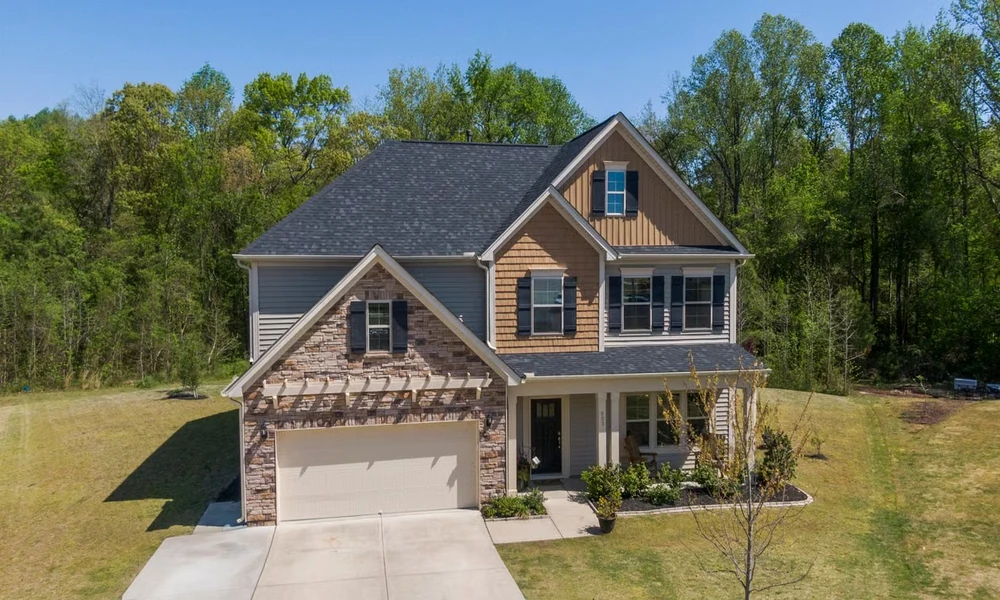
Along the Gulf Coast, hurricane season is less a single event than a yearly habit of watching the radar, clearing the gutters and hoping the roof holds. That roof usually decides how a storm ends for a household. Insurance claims data from the Insurance Institute for Business & Home Safety shows that up to 90% of hurricane-related claims include roof-related damage. When the covering peels away, rain follows, and a wind event quickly becomes a water event.
Mississippi is now trying to change that pattern one house at a time. The state runs a program called Strengthen Mississippi Homes, and it’s built around a construction standard called FORTIFIED Roof. The standard isn’t new, but the money behind it in Mississippi is, and it’s starting to change how replacement roofs are planned from Biloxi to Hattiesburg.
Anyone discussing a replacement with a roofing company in Mississippi these days will likely hear the word FORTIFIED early in the conversation. That’s worth understanding before any shingles come off. A FORTIFIED roof is installed differently from a standard reroof, it has to be checked by an independent evaluator, and the order in which homeowners take each step can decide whether they get grant money at all.
What the Program Actually Pays For
The Strengthen Mississippi Homes grant program is designed to provide wind and hail mitigation grants to homeowners in Mississippi. Recipients must use these grants to make their home resistant to wind and hail damage by retrofitting their home to the FORTIFIED Home – Roof ™ standard. The Mississippi Insurance Department’s Strengthen Mississippi Homes page states the program’s aim plainly: to protect property and lower insurance rates in Mississippi.
The grant offers up to $10,000 for eligible homeowners to upgrade to fortified roofs. It isn’t simply a free roof, though. The department’s FAQ explains that the grant program is designed to mitigate homes against wind damage. If a new roof is required, then it will be included in the scope of work for the grant to meet the Fortified standard.
After a slow start, the program has begun producing results. In October, two coast homeowners now have certified “fortified” roofs, the first under the Strengthen Mississippi Homes program. State lawmakers also kept it going with the passage of Senate Bill 2409 during the 2026 Legislative Session, which keeps the Insurance Department in charge of running it.
How a FORTIFIED Roof Differs From a Standard Reroof
From the street, a FORTIFIED roof looks like any other new roof. The difference is in the layers you never see. The standard was developed through years of IBHS wind research, and it focuses on the weak points that fail first in a hurricane.
The biggest of these is the sealed roof deck. On an ordinary roof, if wind tears off shingles and felt, rain pours straight through the seams between plywood sheets. A FORTIFIED installation seals those seams, either with tape and a layer of underlayment over it or with a fully adhered membrane. That way the deck sheds water even after the shingles are gone. The Insurance Department even posts a hurricane testing sealed roof deck demonstration on its mitigation pages to show why this matters.
The rest of the system tightens the roof’s grip on the house. Ring-shank nails hold decking much better than smooth nails. Edges and corners, where wind pressure peaks, get stronger drip edge and closer fastening. Shingles have to be rated for high wind and installed to the manufacturer’s high-wind pattern. Any of these steps can be skipped on a regular job without anyone noticing. On a FORTIFIED job, an evaluator documents each one with photos.
The Order of Steps Matters
The most common mistake is doing things out of order. One expert told WLOX ahead of hurricane season, “Don’t let anyone tell you that you can get a fortified roof now and get reimbursed from the state later. That is not the case.” The grant pays for the reroofing process going forward. It doesn’t pay back work that’s already finished.
Based on the department’s published requirements, the path generally looks like this:
- Check eligibility. Eligible dwellings to be considered for a retrofit grant from the Strengthen Mississippi Homes Program must be a single-family residence, not a condominium or manufactured home.
- Confirm insurance. You must have flood insurance if you are located in a special flood hazard area.
- Book and pay for the evaluation. Applicants must obtain and pay for out-of-pocket a Home Evaluation from a Certified FORTIFIED™ Evaluator that is approved by the Strengthen Mississippi Homes program, and the money you paid for the Evaluator’s home review will not be reimbursed.
- Watch for application windows. The FAQ advises homeowners to check the department’s site regularly to stay informed as to when the next application period will begin.
- Have the roof built and certified. To obtain a FORTIFIED™ Designation certificate, your property must receive an evaluation from a Certified FORTIFIED™ Evaluator who is approved by the Strengthen Mississippi Homes program.
Why Insurance Is Part of the Story
Mississippi’s interest in stronger roofs is closely tied to insurance costs on the coast. According to the department, a FORTIFIED Roof™ can provide greater peace of mind and may also help homeowners qualify for insurance discounts. Reporting from Mississippi Today noted that in addition to making homes safer, the grant has also helped reduce home insurance costs.
The state has some catching up to do. Coverage of the program has pointed out that Mississippi’s neighboring states have pulled ahead in strengthening homes against hurricanes. Alabama’s FORTIFIED push in particular gave insurers years of data, and its results after recent storms helped convince Mississippi lawmakers to fund their own version.
For homeowners who don’t qualify for a grant, the standard is still available. Anyone can ask for a FORTIFIED roof at their own expense and get it certified, and the designation stays with the house when it sells. The IBHS Roofing Roadmaps explain how wind attacks a roof and what each upgrade protects against, which is useful reading before comparing quotes.
A Different Way to Think About Replacement
For years, a new roof in Mississippi meant picking a color, a shingle line and a price. The FORTIFIED approach adds a fourth question: how will this roof behave when the shingles are already gone? A sealed deck, stronger fasteners and documented installation don’t make a home stormproof. They do make it much more likely that a strong storm ends with a few missing shingles instead of soaked ceilings and a long claim.
With hurricane seasons getting more expensive and grant money now flowing, the timing is good for homeowners whose roofs are nearing the end of their life. The key is to plan before calling for tear-off, so the evaluation, the paperwork and the roof itself all line up.