

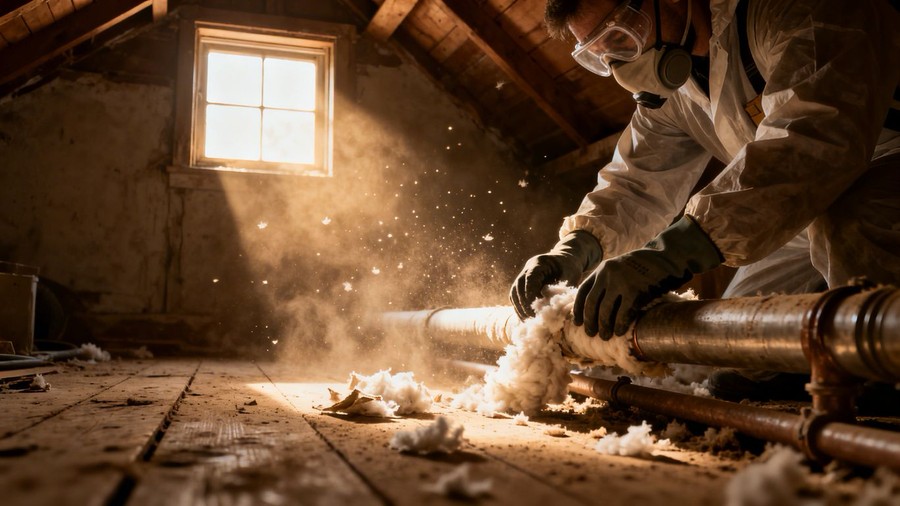
When you’re planning to update an older home, it’s easy to get caught up in the exciting parts, like picking out new flooring or paint colors. But before you start swinging a hammer, it’s really important to think about what might be hiding in those walls and ceilings. Older homes, especially those built before the 1980s, often contain asbestos. This material was used everywhere because it’s a good insulator and fire retardant, but it comes with some serious health risks if it’s disturbed.
Identifying Potential Asbestos Presence
Figuring out if asbestos is in your home is the first step. It’s not something you can usually spot just by looking. Asbestos fibers are microscopic and were mixed into many building materials. Think about:
- Insulation: Especially around pipes, furnaces, and in attic spaces.
- Ceiling tiles and acoustic plaster: Many older popcorn ceilings contain asbestos.
- Flooring: Vinyl tiles and the adhesive used to stick them down can be a source.
- Roofing and siding materials: Shingles and cement boards often had asbestos added.
If your home was built before the 1980s, there’s a good chance asbestos is present in one or more of these areas. The only way to know for sure is through professional testing.
Health Risks Associated with Disturbed Asbestos
When asbestos-containing materials are intact and undisturbed, they generally don’t pose a health risk. The danger comes when these materials are damaged, cut, sanded, or otherwise disturbed during renovation work. When this happens, tiny asbestos fibers can become airborne. If these fibers are inhaled, they can lodge in the lungs and lead to serious health problems years later, including lung cancer, mesothelioma, and asbestosis. This is why it’s so critical to handle potential asbestos with extreme care. You don’t want to accidentally release these fibers into your home’s air. It’s a risk that’s simply not worth taking, especially when professional asbestos testing is readily available.
The Necessity of Professional Asbestos Testing
Trying to guess whether a material contains asbestos is a gamble you shouldn’t take. Visual inspection alone is unreliable. You need a qualified professional to take samples and send them to a lab for analysis. This testing is relatively inexpensive compared to the potential costs and health consequences of asbestos exposure. A professional inspection will tell you definitively if asbestos is present, where it is, and what type it is. This information is vital for planning your renovation safely and for getting accurate quotes for any necessary asbestos removal work. It’s a small step that provides immense peace of mind and protects both your health and your budget.
Budgeting for Asbestos Abatement
When you’re planning to renovate an older home, it’s easy to get caught up in the exciting parts, like picking out new cabinets or flooring. But before you swing a hammer, it’s really important to think about what might be hiding in the walls and ceilings. Homes built before the 1980s often contain asbestos, a material that was once common in building products but is now known to be a health hazard when disturbed.
Estimating Asbestos Removal Costs
Figuring out the cost of asbestos removal, or abatement, isn’t always straightforward. The price can change a lot depending on a few things:
- Amount of Material: How much asbestos-containing material (ACM) needs to be removed? A small patch of popcorn ceiling is different from extensive insulation or flooring.
- Location: Is the ACM easy to get to, or is it in a hard-to-reach spot like a crawl space or attic?
- Type of Material: Some materials are more difficult to handle than others.
- Containment Needs: The abatement company might need to set up special containment areas to prevent fibers from spreading.
Because of these variables, getting a few quotes from licensed asbestos abatement professionals is the best way to get a realistic estimate for your specific situation. Don’t just go with the cheapest option; make sure they are reputable and experienced.
Allocating a Contingency Fund for Abatement
It’s almost a given that renovations will uncover something unexpected, and asbestos is a prime candidate. A good rule of thumb is to set aside an extra 10% to 20% of your total renovation budget specifically for unforeseen issues. This contingency fund acts as a financial safety net. If asbestos is found and abatement is required, this fund can help cover those costs without derailing your entire project or forcing you to take out high-interest loans at the last minute. If you don’t end up needing it for asbestos, it can be used for other surprises that might pop up.
The Importance of Hiring Licensed Professionals
When it comes to asbestos, you absolutely cannot cut corners. Trying to remove asbestos yourself is not only dangerous to your health and the health of your family but is also often illegal. You need to hire professionals who are specifically licensed and certified for asbestos abatement. These professionals have the training, equipment, and knowledge to safely remove and dispose of asbestos-containing materials according to strict regulations. They know how to properly seal off the work area, use specialized protective gear, and follow disposal procedures. This ensures the job is done correctly and safely, protecting your home and your health long-term.
Common Locations of Asbestos in Older Homes
When renovating older homes, particularly those built before the 1980s, homeowners must be aware of materials that might contain asbestos. This substance was widely used for its insulating and fire-resistant properties, but its presence can lead to significant complications and costs during renovations if not properly identified and handled.
Asbestos in Insulation and Ceiling Tiles
Insulation is a prime suspect for asbestos. Materials used in attics, crawl spaces, and around pipes or boilers often contained asbestos fibers. Similarly, many older homes feature acoustic ceiling tiles or textured plaster finishes that can be asbestos-containing. Disturbing these materials during demolition or renovation can release microscopic asbestos fibers into the air, posing a serious health risk.
Asbestos in Roofing and Flooring Materials
Beyond interior insulation, asbestos made its way into various other building components. Roofing felt, shingles, and exterior caulking from that era frequently incorporated asbestos. Inside the home, vinyl floor tiles, the adhesive used to lay them, and even some types of linoleum can contain asbestos. If your home has original flooring or roofing from before the 1980s, it’s wise to assume these materials might be hazardous until tested. You can find more information on potential asbestos presence.
Pre-1980s Construction and Asbestos Risk
The primary risk factor for asbestos in a home is its age. Buildings constructed before the widespread understanding of asbestos’s health dangers are more likely to utilize it. This includes:
- Insulation: Pipe wrap, boiler insulation, and attic insulation.
- Building Materials: Siding, roofing shingles, textured paints, and joint compounds.
- Flooring and Adhesives: Vinyl tiles, sheet vinyl, and the mastic used to adhere them.
If your home falls into this age bracket, it is prudent to budget for the possibility of asbestos discovery. Professional testing is the only way to confirm its presence, and abatement by licensed professionals is required for safe removal.
Navigating the Asbestos Abatement Process
Safe Handling and Removal Procedures
When asbestos is found in your home, it’s not something to take lightly. The material itself isn’t dangerous if it’s left alone and undisturbed. The real problem comes when it’s disturbed, like during renovation work, which can release tiny fibers into the air. These fibers, when inhaled, can cause serious health issues over time. Because of this, there are specific rules and procedures that must be followed to handle and remove asbestos safely. Professional asbestos abatement contractors are trained and equipped to manage this process correctly. They know how to contain the area, use special equipment to remove the asbestos-containing materials, and clean up the site afterward to make sure it’s safe for you and your family. Trying to do this yourself is not recommended and can be very dangerous.
Legal Requirements for Asbestos Abatement
There are laws in place, both federal and local, that govern how asbestos must be handled. These regulations are there to protect people from exposure. For example, in many places, you can’t just remove asbestos yourself; you have to hire a licensed and certified asbestos abatement company. These companies have to follow strict guidelines for notification, containment, removal, and disposal of asbestos materials. They also need to get the right permits before starting work. Not following these legal requirements can lead to significant fines and legal trouble, not to mention putting people’s health at risk. It’s always best to check with your local authorities to understand the specific laws in your area before any work begins.
Ensuring a Safe Living Environment Post-Abatement
After the asbestos has been removed, the job isn’t quite done. The abatement company has a responsibility to make sure the area is completely clean and safe. This usually involves air testing to confirm that no asbestos fibers are left in the air. Think of it like this: the professionals come in, do their work, and then they have to prove it’s safe to move back in. This might involve a final inspection and clearance testing. You’ll want to get documentation from the abatement company that shows the work was completed according to regulations and that the air quality is now safe. This step is vital for your peace of mind and the health of everyone who will be living in or visiting the home.
Beyond Asbestos: Other Hidden Renovation Costs
While asbestos is a significant concern in older homes, it’s far from the only hidden expense that can arise during renovations. Many homeowners discover that once demolition begins, other unexpected issues surface, requiring additional funds and time.
Addressing Faulty Wiring and Electrical Upgrades
Older homes often have electrical systems that were not designed to handle the demands of modern appliances and electronics. What might appear to be functional wiring could be outdated, undersized, or even a fire hazard. Signs like flickering lights, frequently tripped breakers, or outlets that feel warm to the touch are indicators that an upgrade might be necessary. Bringing the electrical system up to current building codes is not just a matter of convenience but a critical safety requirement. This can involve replacing old wiring, upgrading the main electrical panel, and adding more circuits, all of which can add substantial costs to your renovation budget.
Unforeseen Structural and Foundation Issues
Beneath the surface, older homes can harbor structural problems that are not visible until walls are opened or floors are removed. Issues such as sagging beams, termite damage, rot in wooden supports, or even foundation cracks can be discovered. Addressing these problems is often non-negotiable, as they affect the integrity and safety of the entire house. The cost of repairing or reinforcing structural elements can be significant and requires immediate attention to prevent further damage.
Managing Mold and Water Damage Discoveries
Water is a renovation project’s silent enemy. Leaky pipes, past roof leaks, or inadequate ventilation can lead to hidden mold growth and water damage within walls, under floors, or in attics. Discovering mold or water damage during a renovation necessitates remediation, which can include:
- Removing and replacing damaged materials (drywall, insulation, wood).
- Treating affected areas to prevent mold regrowth.
- Identifying and fixing the source of the water intrusion.
These remediation efforts add both material and labor costs, and often require specialized professionals to handle safely and effectively.
Financial Preparedness for Renovation Surprises
The Role of a Robust Contingency Budget
When planning a home renovation, especially in older properties, it is wise to set aside extra funds beyond the initial estimates. This financial buffer, often referred to as a contingency fund, acts as a safety net for unexpected issues that frequently arise. For extensive projects involving older homes, it is recommended to allocate between 15% to 25% of the total estimated budget for these unforeseen circumstances. This money should be kept separate and only used for legitimate, unanticipated expenses. Not using this fund is a positive outcome, not a sign of poor planning.
Proactive Inspections to Uncover Hidden Issues
Before any demolition or significant work begins, conducting thorough inspections can help identify potential problems early on. Issues such as outdated electrical wiring, plumbing in poor condition, or even structural weaknesses might not be apparent from a surface-level view. Addressing these findings before they become major problems during the renovation process can save considerable time and money. A detailed inspection can also help in negotiating a more accurate contract with your contractor, potentially including clauses for handling unforeseen discoveries.
Working with Contractors on Potential Cost Scenarios
Open communication with your contractor is key to managing potential cost overruns. Discussing