

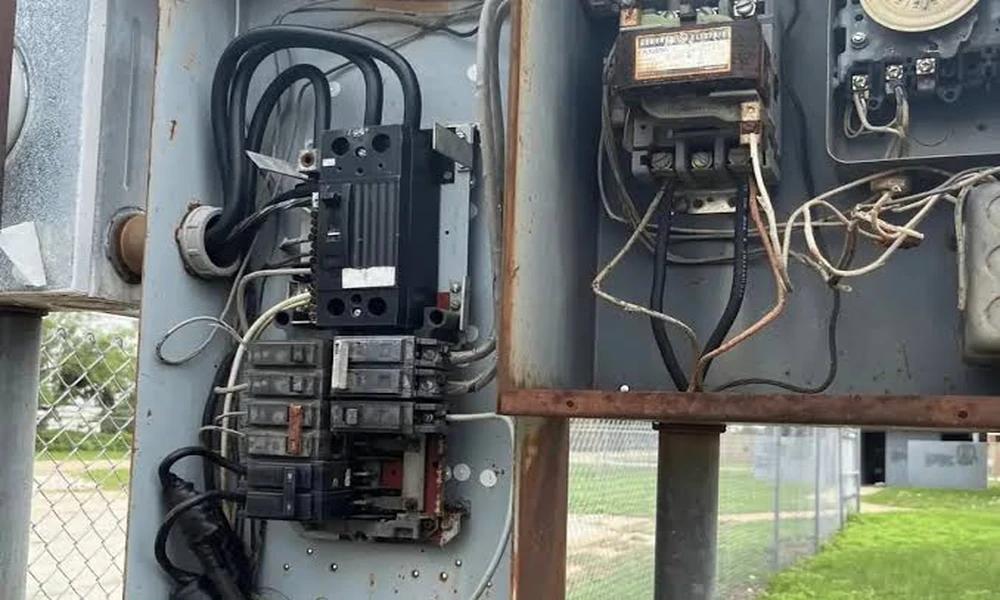
There was a time when a 100-amp electrical service was more than enough for the average Austin home. A few lights, a refrigerator, a television, a washing machine, and maybe a window air conditioner didn’t put much pressure on the home’s electrical system.
That’s not the typical Austin home anymore.
Today’s houses often have central air conditioning, multiple refrigerators, electric ovens, tankless water heaters, home offices, large entertainment systems, pool equipment, power-hungry kitchen appliances, and perhaps an electric vehicle charging in the garage overnight. Newer technologies have made our homes more comfortable and convenient, but they’ve also dramatically increased how much electricity many households need.
This raises an important question for homeowners: Does your home actually have enough electrical capacity for everything you’re using today-and everything you may want to add tomorrow?
Sometimes the answer is yes. Other times, an electrical panel upgrade or service replacement makes much more sense than continuing to add circuits to an already strained system.
For Austin homeowners considering renovations, EV chargers, HVAC improvements, pool projects, or other major electrical additions, understanding electrical capacity can help prevent expensive surprises down the road.
What Does Electrical Capacity Actually Mean?
It’s easy to look at an electrical panel and assume that an empty breaker position means there’s room for another electrical circuit.
That’s not necessarily true.
Electrical capacity is about much more than how many breaker spaces are available. Your home’s electrical service has a maximum amount of power it can safely deliver. That capacity is generally measured in amps.
Think of your electrical service like the main highway bringing electricity into your home. Individual circuits are the smaller roads branching off from it. You can build more roads, but if the main highway doesn’t have enough capacity, adding more roads doesn’t solve the underlying problem.
That’s why a home can have an electrical panel with several open spaces and still need an upgrade.
The question isn’t simply, “Can we install another breaker?”
The better question is, “Can the home’s electrical system safely support the additional load?”
100-Amp vs. 200-Amp Electrical Service
One of the most common questions Austin homeowners have is whether they should upgrade from 100-amp service to 200-amp service.
A 100-amp electrical service can be perfectly adequate for some homes. Smaller houses with modest electrical demands may not need anything more.
However, many modern homes have significantly greater electrical demands than homes did several decades ago.
A 200-amp service provides substantially more capacity for today’s electrical loads. That doesn’t mean every homeowner automatically needs 200 amps. The appropriate service size depends on the home’s calculated electrical load and the equipment being operated.
A 100-amp panel may start becoming restrictive when a home has several major electrical loads operating at the same time, such as:
- Central air conditioning
- Heat pumps
- Electric water heaters
- Electric ranges
- Clothes dryers
- EV chargers
- Pool pumps
- Spa heaters
- Large workshops
- Multiple refrigerators or freezers
- Extensive home office equipment
A service upgrade can also make sense when you’re planning a major renovation or addition. It’s much easier to address electrical capacity before the project begins than after walls are opened and appliances are installed.
Electrical Load Calculations: The Part Homeowners Don’t See
An electrical load calculation is one of the most important parts of determining whether a panel or service upgrade is actually necessary.
Rather than simply adding up the amperage printed on every appliance and assuming that’s the home’s electrical load, an electrician evaluates the home’s electrical demand using established calculation methods.
The calculation considers factors such as the size of the home, lighting and receptacle loads, heating and cooling equipment, kitchen appliances, water heating, dryers, EV charging equipment, and other significant electrical loads.
This matters because not every appliance necessarily operates at full capacity at exactly the same time.
A qualified electrician can evaluate the existing system and determine whether the current service has enough capacity-or whether an upgrade is warranted.
That’s a much better approach than guessing based on how many breakers are installed.
Central HVAC and Heat Pumps Can Change the Equation
Air conditioning isn’t exactly optional during an Austin summer.
Central HVAC systems can represent a significant electrical load, especially in larger homes. Heat pumps add another consideration because they use electricity for both heating and cooling.
Older homes may have electrical systems that were designed around equipment with very different demands. Replacing an older HVAC system with newer equipment can change the home’s electrical requirements.
In some cases, the existing service handles the new equipment without a problem. In others, the change can push the home’s calculated load closer to its available capacity.
This is particularly worth considering when you’re combining HVAC upgrades with other projects.
For example, a homeowner might install a new heat pump, add an EV charger, replace a gas water heater with an electric model, and remodel the kitchen within the same year.
Individually, each project may seem manageable.
Together, they can significantly change the home’s electrical requirements.
Electric Ranges and Water Heaters Add Significant Loads
Gas appliances have historically reduced electrical demand in many homes.
An electric range is different.
Electric ovens and cooktops can require substantial electrical capacity, particularly when multiple heating elements are operating.
Water heating can also become a major consideration. Traditional electric water heaters, heat-pump water heaters, and tankless electric water heaters all have different electrical characteristics.
Tankless electric water heaters deserve particular attention because some models require very large electrical loads.
If you’re converting several gas appliances to electric at the same time, it’s worth having the home’s electrical service evaluated before purchasing equipment.
You don’t want to discover after the fact that your existing service wasn’t designed to support your new all-electric lifestyle.
EV Chargers Are Another Reason Austin Homes Are Being Reevaluated
Electric vehicles are becoming increasingly common, and charging at home is one of their biggest conveniences.
But an EV charger isn’t just another household outlet.
Depending on the equipment and charging requirements, a Level 2 EV charger can place a significant continuous load on the electrical system.
For a newer 200-amp home with plenty of capacity, installing an EV charger may be relatively straightforward.
For an older home with 100-amp service and several other large electrical loads, the situation may be very different.
In some cases, an electrician may recommend load management or another solution rather than immediately replacing the entire electrical service.
In other situations, an electrical panel upgrade is the more appropriate long-term solution.
The important thing is to evaluate the entire system rather than treating the EV charger as an isolated project.
Pools and Spas Can Push Electrical Demand Higher
Pools are a major part of outdoor living in Central Texas, but they also introduce additional electrical equipment.
Depending on the installation, a pool may have:
- Pool pumps
- Variable-speed pumps
- Pool heaters
- Lighting
- Automation systems
- Saltwater systems
- Water features
- Pool covers
Spas and hot tubs can add another substantial electrical load.
A homeowner with a modest electrical system may not have much capacity left after accounting for HVAC, kitchen appliances, water heating, and other major loads.
That’s why electrical planning should happen before the pool or spa equipment arrives.
It’s far better to determine the available electrical capacity during the planning stage than to find out afterward that the service needs to be upgraded.
Home Offices and High-Powered Electronics Matter Too
Not every electrical load is something you’d consider a “major appliance.”
Modern home offices can contain surprisingly large amounts of equipment.
A typical setup might include multiple monitors, desktop computers, docking stations, printers, networking equipment, external storage, lighting, and other electronics.
Gamers and content creators can have even greater electrical demands, particularly with high-performance computers and multiple displays.
Then there are entertainment systems, home theaters, audio equipment, servers, smart-home equipment, and other electronics that simply weren’t common in older homes.
Most of these devices individually use relatively modest amounts of electricity. The bigger issue is the cumulative demand when they’re combined with everything else in the house.
Why Adding Another Circuit Isn’t Always the Answer
This is one of the most important things homeowners should understand.
If you need another outlet, you may need another circuit.
But adding a circuit doesn’t necessarily increase the home’s overall electrical capacity.
You can have a beautifully organized panel with additional breakers while still being limited by the size of the home’s main electrical service.
It’s similar to adding rooms to a house without expanding the foundation. Eventually, you have to address the underlying limitation.
An electrician may determine that a new dedicated circuit is all that’s needed. That’s often the ideal solution when sufficient capacity exists.
But if the home’s service is already heavily loaded, continuing to add circuits could be the wrong approach.
That’s where an electrical load calculation and professional evaluation become particularly valuable.
Can a Handy Homeowner Upgrade the Electrical Panel as a DIY Project?
There are plenty of electrical projects that homeowners may feel comfortable tackling themselves.
Replacing a light fixture, installing certain types of switches, or handling minor electrical work may seem straightforward to someone who is experienced and understands electrical safety.
A panel replacement or service upgrade is a completely different level of work.
The main electrical service involves equipment capable of delivering enormous amounts of electrical energy. Even when the main breaker is switched off, portions of the service equipment can remain energized.
A mistake can result in severe injury, fire, equipment damage, or other serious consequences.
There are also permitting, inspection, code, utility, grounding, bonding, service-entry, and equipment considerations that go well beyond simply swapping one panel for another.
For those reasons, a major electrical panel replacement or service upgrade should not be treated like an ordinary weekend DIY project.
Texas homeowners should work with properly qualified, licensed electrical professionals for this type of work. A professional can evaluate the existing system, perform the appropriate calculations, identify potential problems, coordinate necessary work, and ensure the installation meets applicable requirements.
If you’re comfortable doing home improvement projects, there’s nothing wrong with being handy. But knowing when a project has moved beyond a reasonable DIY scope is an important part of being a responsible homeowner.
When Does an Austin Home Really Need a Panel Upgrade?
There isn’t one universal answer.
A panel upgrade may make sense when:
- The home’s calculated electrical load is approaching the available service capacity.
- You’re adding an EV charger.
- You’re installing significant electric HVAC equipment.
- You’re converting major gas appliances to electric.
- You’re adding a pool or spa.
- You’re remodeling or adding substantial square footage.
- The existing panel is outdated or problematic.
- The electrical service is undersized for the home’s current needs.
- You anticipate several major electrical additions in the near future.
- The existing equipment cannot safely accommodate the desired upgrades.
It’s also worth evaluating the electrical system if you’re experiencing warning signs such as frequently tripped breakers, flickering lights, warm electrical equipment, unusual buzzing, or other electrical abnormalities.
Those symptoms don’t automatically mean the panel needs to be replaced. There can be many causes. But they’re good reasons to have the system inspected by a qualified electrician.
Think About Tomorrow’s Electrical Needs, Not Just Today’s
One of the biggest mistakes homeowners can make is planning an electrical upgrade around the equipment they own today.
Think five or ten years ahead.
Maybe you don’t have an EV yet, but you might buy one.
Maybe the kitchen currently has a gas range, but you’d prefer induction someday.
Maybe you’re planning a pool.
Maybe you’re turning a spare bedroom into a home office.
Maybe you’re replacing your HVAC system.
Each decision affects the electrical system.
When homeowners plan these projects together, an electrician can look at the bigger picture instead of addressing each electrical issue separately.
That’s one of the reasons Tejas Electric takes the home’s overall electrical needs into consideration when discussing upgrades with Austin-area homeowners. A panel upgrade isn’t simply about installing a larger box on the wall. It’s about creating an electrical system that is appropriate for the home and its expected demands.
Planning an Electrical Upgrade With Tejas Electric
If you’re trying to determine whether your Austin home has enough electrical capacity, start with an evaluation rather than assuming you need a larger panel.
Homeowners in Austin, Texas can work with Tejas Electric for an electrical panel upgrade when an evaluation determines that replacing or upgrading the existing equipment is the appropriate solution.
The process should begin with understanding what your home currently uses and what you expect it to need in the future. From there, a qualified electrician can evaluate the existing panel, service, wiring, and major electrical loads.
Tejas Electric works with Austin-area homeowners on a variety of electrical projects, including panel upgrades and other electrical improvements. Taking a comprehensive approach can help homeowners avoid spending money on upgrades that don’t actually solve the underlying capacity issue.
The Bottom Line for Austin Homeowners
Modern homes simply use electricity differently than they did a generation ago.
Central HVAC systems, heat pumps, electric kitchens, water heaters, EV chargers, pools, spas, home offices, entertainment systems, and smart-home technology can all add to a home’s electrical demand.
That doesn’t mean every older Austin home needs a 200-amp service.
It does mean that homeowners should avoid assuming their existing electrical system has unlimited capacity.
If you’re planning several major improvements-or simply wondering whether your current panel can handle everything your household uses-an electrical evaluation can give you a much clearer answer.
The right solution might be a new dedicated circuit. It could involve load management. It could be a panel replacement. Or, in some cases, the existing system may be perfectly adequate.
The important thing is to find out before adding another major electrical load.
For Austin, Texas homeowners, thinking about electrical capacity today can make future renovations, EV charging, HVAC upgrades, and other improvements much easier-and help ensure the electrical system keeps up with the way your home actually operates.