

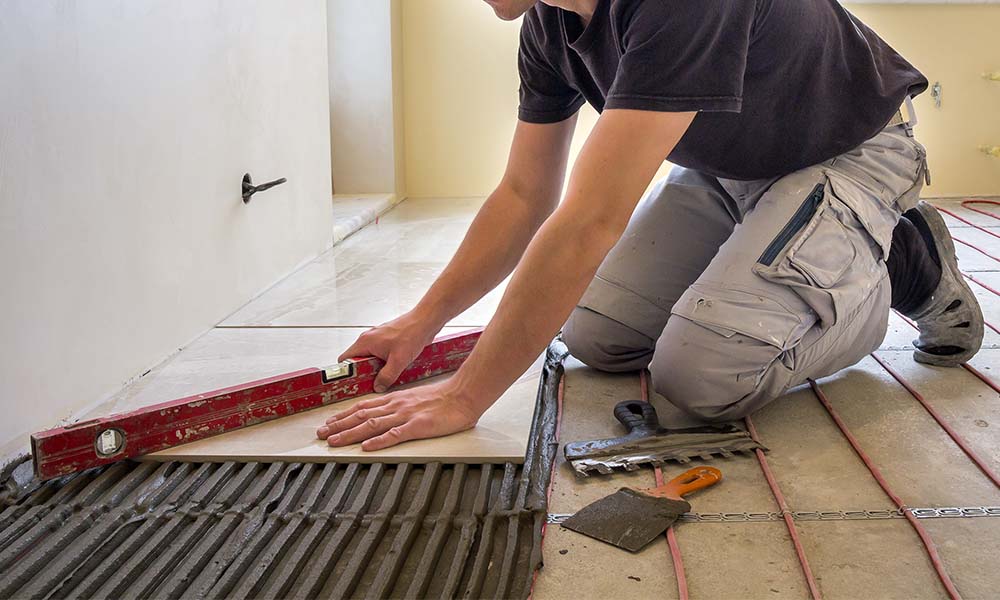
Creating indoor spaces that feel consistently comfortable often starts beneath the feet.Floors influence how warmth moves, settles, and lingers across rooms.Access to underfloor insulation grants helps households improve comfort without financial strain.When flooring areas are properly insulated, indoor conditions feel steadier throughout the year.
Foundations That Improve Indoor Comfort
Underfloor insulation addresses one of the most overlooked comfort gaps inside homes. Cold air movement beneath flooring surfaces often reduces overall warmth perception. Insulation installed below helps stabilize temperatures across rooms. The result feels noticeable throughout shared and private spaces alike.
Financial Support Making Insulation Possible
Many households delay insulation improvements due to upfront expense concerns. Grant support removes that hesitation by easing financial pressure. These options are designed to encourage practical upgrades that enhance indoor comfort. Awareness of support structures helps households move forward confidently.
How assistance typically applies
- Eligibility often considers property construction age
- Support may vary by location or region
- Application steps usually remain straightforward
- Approved installers follow defined quality standards
- Funding levels depend on project scope
- Verification occurs after completed installation
Grant-backed improvements often feel less risky for applicants. Financial clarity allows planning without uncertainty. The overall experience becomes more approachable and manageable.
Why Do Floors Shape Warmth?
Floors act as constant contact surfaces within indoor spaces. When heat escapes downward, rooms feel uneven despite heating efforts. Insulated flooring reduces unwanted airflow and surface chill. Comfort improves without relying on repeated manual adjustments.
Because warmth rises naturally, untreated floors disrupt balance. Insulation changes how warmth distributes across rooms. The shift creates steadier conditions people notice immediately.
Application Paths And Grant Expectations
Grant programs usually follow structured approval pathways. Applicants benefit from understanding steps before beginning any work. Clear documentation supports smoother processing and realistic timelines. Preparation often determines how quickly projects progress.
Typical stages within grant processes
- Initial property assessment completed professionally
- Documentation gathered for eligibility confirmation
- Application submission reviewed by administrators
- Installation scheduled through approved contractors
- Post-installation checks ensure compliance
- Funding released after verification completion
These steps aim to maintain consistency and fairness. Applicants gain transparency at each stage. The structure supports confidence throughout the process.
Can These Grants Fit My Home?
Many homeowners wonder whether older or modern properties qualify. Suitability often depends on construction type and existing floor structure. Timber floors and suspended designs frequently align with grant criteria. Solid floors may require additional evaluation.
For those exploring underfloor insulation grants, guidance often clarifies suitability early. Assessment visits typically explain realistic outcomes and limitations. That clarity helps households decide comfortably.
Living Spaces That Feel Naturally Balanced
Once insulation sits beneath flooring, everyday living changes subtly yet clearly. Rooms hold warmth longer during cooler periods. Walking across floors feels more consistent throughout the day. Spaces become easier to enjoy without constant adjustments.The improvement often extends beyond individual rooms. Shared areas feel more welcoming during extended use. Comfort becomes a background feature rather than an ongoing concern.